
How SimSim builds its Ukrainian Borshch in Fairfax — the beet, the layered broth, and why this humble soup carries UNESCO heritage recognition.
There's a point most afternoons when our Fairfax kitchen starts to smell like it — beets, dill, a little garlic, a broth that's been simmering since morning. Borshch is the dish most people picture first when they think of Ukrainian cooking, and it's one of the dishes we take the most care with on our Ukrainian side of the menu. It isn't a quick soup, and it was never meant to be one. It's built in stages, over hours, with a technique that hasn't changed much across generations — the payoff is a bowl that manages to be both a weeknight dinner and a national symbol at once, a deep crimson red that announces itself before the first spoonful arrives.
Not Named for the Beet You'd Guess
The beet gets the credit, and it earns some of it — how you treat that beet decides the whole pot. We roast or gently simmer ours apart from the rest of the vegetables so the color stays deep and clear instead of turning muddy, then balance its natural sweetness with a touch of acid, a splash of vinegar or lemon, so the soup finishes bright rather than heavy. But the name itself is older than the beet's starring role: most food historians trace the name borshch back to borshchevyk — hogweed, a tart wild plant cooks once used to sour the broth, long before beets, and the sour beet kvas made from them, became the standard across the region. The beet came to dominate the pot; the name seems to have stayed from what came before it.
Cabbage, Carrot, and an Order That Matters
Cabbage is the other backbone of the dish, shredded fine and added at its own moment so it keeps a little bite instead of dissolving into the broth. Carrots and potatoes round it out, each cooked just long enough to hold its shape and its own flavor, and some pots take on beans or a bit of bell pepper depending on the season. None of it goes in at once — the order matters as much as the ingredients, which is part of why a good borshch takes real time in a kitchen rather than a shortcut on the stove.
A Broth Built in Layers
The broth is where the real technique lives. We build a base of onion, carrot, and tomato, cooked down slowly until it turns sweet and deep, then fold that base into a broth that has already been simmering on its own for hours. Adding it near the end rather than the beginning keeps its flavor bright instead of letting it cook flat — a small decision, but it is what separates a bowl that tastes assembled from one that tastes made.
A few things we never rush when the pot is on:
- Beets cooked on their own, so the color stays true and clear
- A broth simmered for hours, never minutes
- Cabbage added last, so it keeps its texture instead of going soft
- Fresh dill and garlic stirred in right before serving
- A spoonful of sour cream added at the table, never in the pot
A Recipe Every Family Makes Its Own
Borshch was never one fixed recipe handed down from a single place. Ukrainian households vary it by region and by season — more tomato or less, beans or no beans, a heartier pot for winter and a lighter one for summer — and that variation is part of what gives the dish its weight. It's often the first thing a Ukrainian cook teaches a child, long before anything else on the stove, and it turns up at Sunday dinners, holiday tables, and homesick cravings in equal measure. A dish remade in that many kitchens, that many ways, earns its place as a national dish honestly.
Recognized as Living Heritage
In 2022, UNESCO added the culture of Ukrainian borshch cooking to its list of intangible cultural heritage in need of urgent safeguarding. It's an unusual kind of honor, because what's being protected isn't a recipe written down on paper but a way of cooking passed hand to hand, kitchen to kitchen. It recognizes that a dish can carry a culture's memory the way a language or a craft does, and that the knowledge behind it — the order of the vegetables, the timing of the broth, the instinct for when it's ready — deserves to be preserved as carefully as the dish itself.
On Our Table in Fairfax
Every dish on our menu, Borshch included, is prepared 100% halal, and our kitchen runs alcohol-free front to back, so a bowl here needs no asking around. We serve ours the way it's meant to be eaten: a generous bowl, a spoonful of sour cream stirred in at the table, fresh dill on top, and good bread alongside for scooping up what's left. It sits comfortably next to the rest of our Ukrainian menu, whether that means a plate of Holubtsi beforehand or a stack of Syrnyky after, and it pairs naturally with a glass of Uzvar if you want to close the meal the way Ukrainian households actually do.
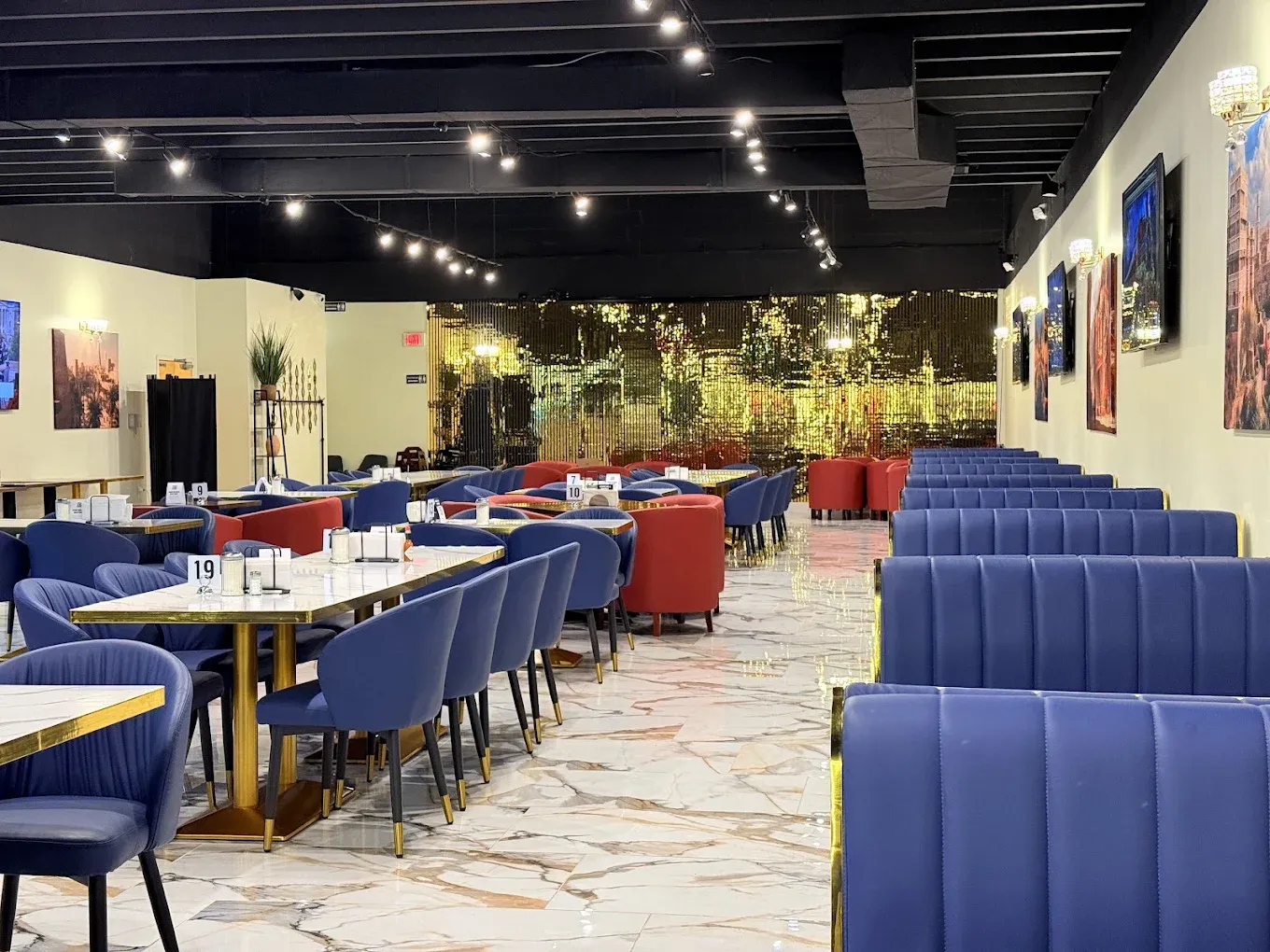
Craving it already? Order a bowl of our Borshch on MyKeFi, or stop by our Fairfax dining room and taste it the way we make it — deep red, simmered all day, finished at the table with sour cream and fresh dill.