An inside look at Ukraine's beloved dumpling at SimSim: potato versus cabbage fillings, the dough technique that makes or breaks them, and why folding varenyky is a family affair.
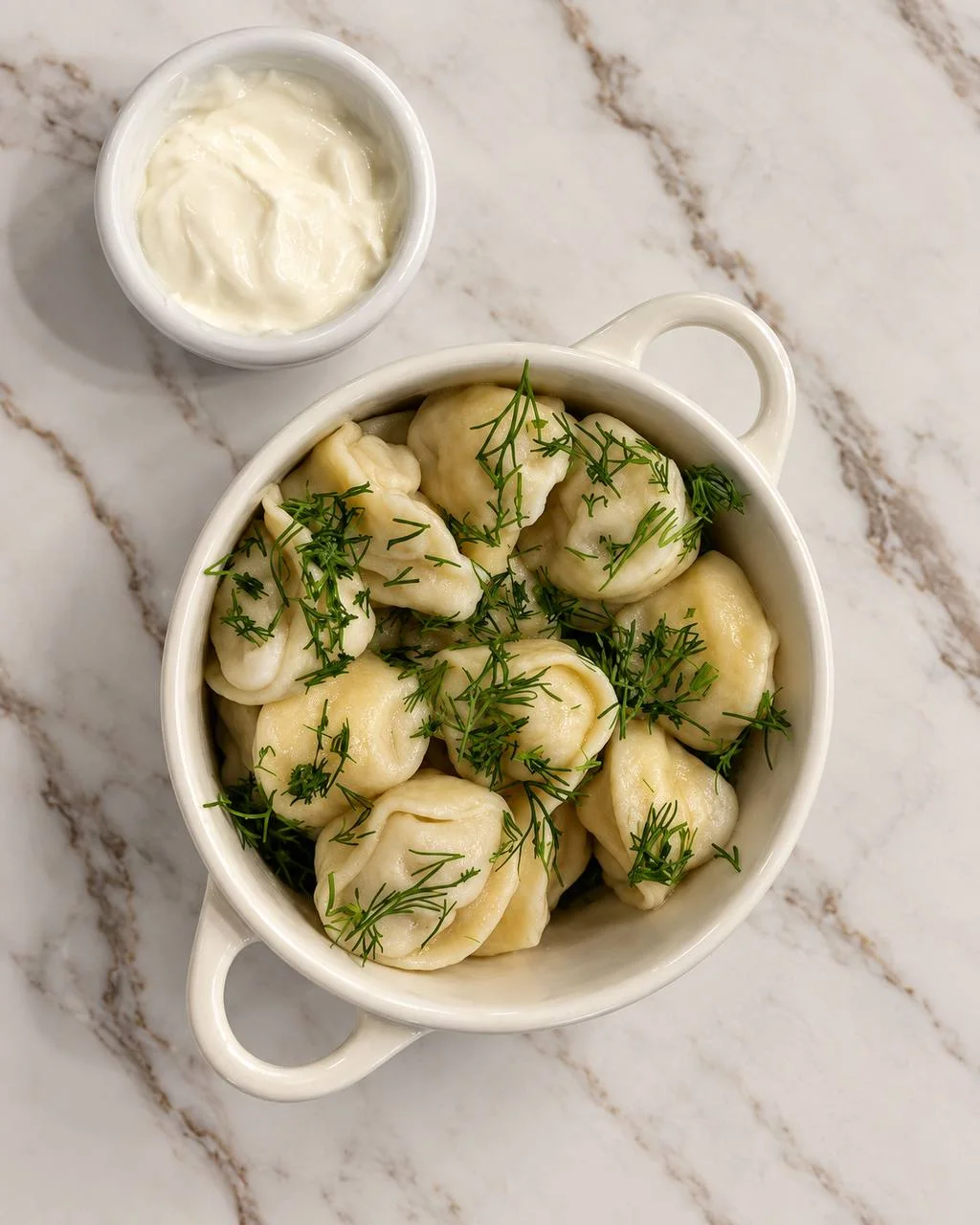
At SimSim, a Ukrainian dinner service always has one dish disappearing fastest off the pass: varenyky. We fold every one of ours by hand, boil them to order, and finish them with butter the moment they come out of the pot, the same way they are made in Ukrainian kitchens, just done for a full dining room instead of one family table. Ask which filling to order and we will tell you straight: potato if you want something quiet and familiar, cabbage if you want a little more character in the bite. Either way, they arrive hot, glossy with butter, and meant to be shared across the table rather than kept to one plate.
A Dish With Deep Roots
Varenyky have been a staple of Ukrainian home cooking for generations, boiled until they rise to the surface of the pot and finished with whatever a household has on hand, usually butter, sometimes a spoon of caramelized onion or a dollop of sour cream. Some regions fill them with berries or cherries in the summer, but on our menu they stay savory, built around potato and cabbage, because that is the version most guests are ordering to remind them of a specific table back home.
Potato or Cabbage: Order Both If You Can't Decide
We keep two fillings on the menu because they solve two different cravings. Potato Varenyky start with mashed potato worked smooth, sometimes with a little sauteed onion folded in, so the filling turns almost creamy once it is boiled inside the dough. Cabbage Varenyky take longer to get right: we cook the cabbage down slowly until it turns sweet and loses its raw bite, so what ends up in the dumpling tastes nothing like the cabbage you started with. Order one of each and you will taste the difference in the first bite, not the tenth.
- Potato Varenyky: smooth mashed potato, sometimes with sauteed onion, boiled until the filling turns soft and almost creamy.
- Cabbage Varenyky: cabbage cooked down slowly until it is sweet, for a filling with more texture and a little more bite.
- Both come to the table the same way: boiled to order, finished with butter, no heavy sauce covering up the filling.
The Dough Is Where We Earn It
Varenyky dough has one job: hold a boil without falling apart, while staying thin enough to almost disappear once it is cooked. We make ours from flour, water, egg, and salt, kneaded until it is smooth and elastic, then rested so it does not fight back on the rolling pin. Roll it too thick and the dumpling turns heavy; skip the rest and it splits the second it hits boiling water. Every piece gets pinched shut by hand, edge to edge, with a small pleat along the seam, and that is the part that actually keeps the filling in the dumpling instead of in the pot, a motion our kitchen repeats hundreds of times a shift. There is no shortcut for any of this: a machine-cut circle rolls too even, and a rushed seal opens up the moment the water starts moving.
A Dish Built for a Full Pot, Not a Single Serving
In Ukraine, varenyky are rarely made in a small batch, because rolling one sheet of dough and setting up an assembly line takes about the same effort whether you are making twelve or twelve dozen. Extra dumplings usually get frozen raw rather than thrown out, so a single session of folding can stock a freezer for weeks and turn any ordinary weeknight into a five-minute dinner. We run our kitchen on the same logic: dough rolled in full sheets and dumplings folded in batches by hand, so what lands on your table was made in this kitchen, not pulled from a bag off a truck.
Varenyky and Pelmeni Share a Kitchen, Not a Recipe
If you have had Pelmeni, you already know the family Varenyky belongs to. Both are boiled dumplings built on dough traditions shared across the region, but they are not the same dish. Pelmeni are smaller, filled with meat, and served by the dozen in butter or broth. Varenyky are larger, filled here with potato or cabbage, and built to stand as a full plate on their own rather than a bowlful of bites. We keep both on the menu on purpose, because tasting them side by side tells you more about the difference than we can in a paragraph, and most guests end up ordering both once they realize that.
How We Put Them on the Table
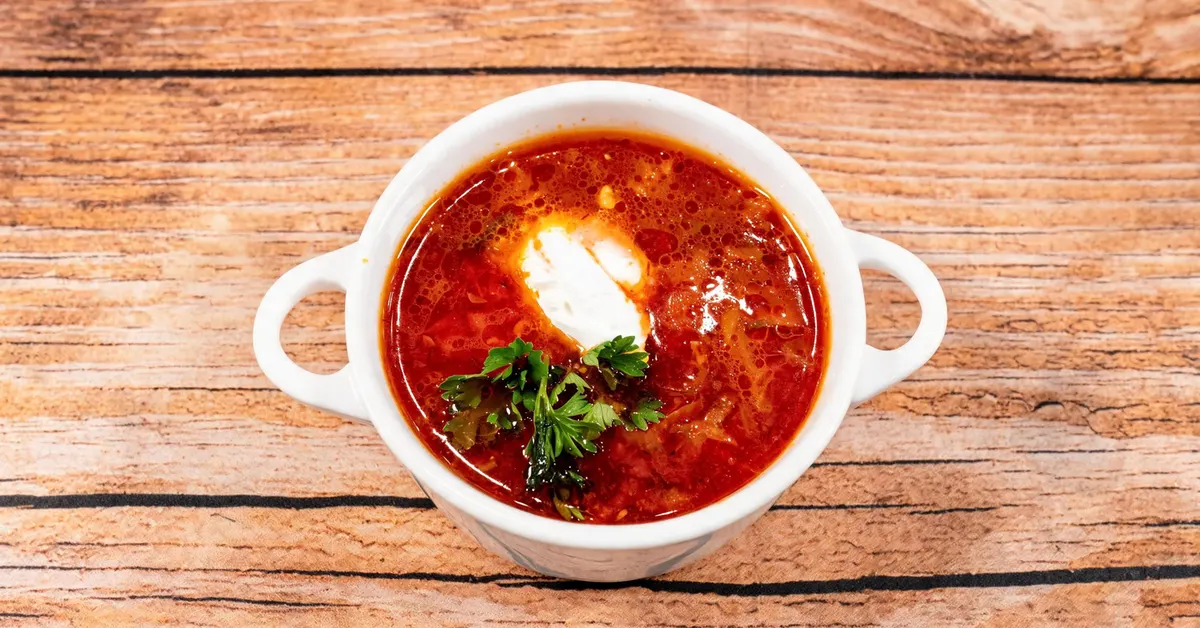
We finish our Varenyky simply: a little butter, sometimes a spoonful of caramelized onion, so the filling stays the point instead of hiding under a sauce. Order a bowl of Borshch alongside them, or add Deruny with Mushroom Sauce if you are building a family-style spread with Holubtsi and Pelmeni on the table too. Close the meal with a glass of Uzvar, the way it is served in most Ukrainian homes, and you have the full picture of what a Ukrainian table at SimSim looks like. None of it needs dressing up.
Come settle the potato-versus-cabbage debate yourself. Order Potato Varenyky and Cabbage Varenyky side by side at SimSim and see which one earns a permanent spot at your table.